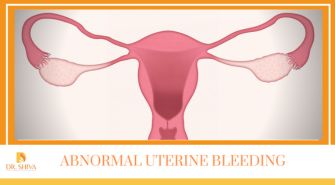
Abnormal Uterine Bleeding (AUB) has long been one of the most common yet deeply misunderstood gynaecological concerns affecting women across all age groups. Whether it involves heavy bleeding, irregular cycles, prolonged periods, or bleeding between cycles, AUB impacts not only physical health, but also emotional wellbeing, productivity, and quality of life. Moving into 2025, the field of gynaecology is shifting towards patient-centric, technology-driven, and evidence-based practices. The latest guidelines focus on a holistic, structured, and condition-specific approach that ensures better diagnosis and management.
In Lucknow, where healthcare facilities and women’s health services are rising rapidly, there is a growing need for expert guidance and proper medical support. Dr. Noopur at Shubham Hospital, recognized as one of the best gynecologists in Lucknow, provides advanced, minimally invasive, and personalized treatment for AUB, ensuring that patients feel heard, understood, and empowered.
This article provides a detailed, updated, and simplified overview of AUB management in 2025, including diagnostic protocols, treatment advancements, personalized care, and the importance of consulting a specialist.
Understanding Abnormal Uterine Bleeding (AUB): Key Emphasis of 2025 Guidelines
AUB is not a disease but a symptom that can arise from various underlying causes. Therefore, a systematic and standardized diagnostic approach is essential. As of 2025, the PALM-COEIN classification remains the global diagnostic standard.
Classification of AUB
Structural Causes (PALM)
- Polyps
- Adenomyosis
- Leiomyoma (Fibroids)
- Malignancy or Hyperplasia
Non-Structural Causes (COEIN)
- Ovulatory Dysfunction
- Coagulopathy
- Endometrial Causes
- Not Otherwise Classified
Diagnosis in 2025 includes detailed clinical history, menstrual tracking, physical examination, blood tests, high-resolution ultrasound, and when required, hysteroscopy. Early detection is especially important for adolescents, perimenopausal women, and women with lifestyle conditions.
Why AUB Management Will Be Different in 2025
Every woman’s experience with AUB is different. For some, it may be linked to hormonal imbalance or stress, while others may suffer due to fibroids, PCOS, thyroid disorders, clotting issues, or endometrial abnormalities. The new guidelines recommend treatment based on cause, age, lifestyle, reproductive goals, medical history, and medication response.
For instance, treatment for an adolescent girl with hormonal fluctuations is very different from that of a woman planning pregnancy or a perimenopausal woman. The 2025 guidelines strongly support personalized treatment.
Dr. Noopur, considered one of the best gynecologists in Lucknow, is known for combining expert clinical care with empathetic counselling, ensuring holistic management.
2025 Diagnostic Protocols for AUB
Early and accurate diagnosis is at the core of the new guidelines. Women are encouraged to seek medical advice as soon as any abnormal symptoms appear.
Recommended Diagnostic Steps
- Detailed Menstrual & Lifestyle History — including sleep, diet, stress, and mental health
- High-Resolution Ultrasound — 3D pelvic imaging for precise assessment
- Hormonal Profiling — thyroid, prolactin, LH, FSH, estrogen, progesterone, PCOS markers
- Coagulation Tests — especially for heavy bleeding in adolescents
- Hysteroscopy (when required) — gold standard for confirming structural issues
Medical Management in 2025
Treatment is symptom-based, safe, comfortable, and minimally invasive whenever possible.
Hormonal Therapies
These include oral contraceptives, progesterone therapy, and hormonal IUDs, with personalized dosage to achieve higher compliance and fewer side effects.
Non-Hormonal Medicines
Tranexamic acid and NSAIDs may be used when ovulation is normal and hormonal treatment is unsuitable.
Additional Corrective Treatments
- Management of thyroid imbalance
- Iron supplementation for anemia
- Dietary and lifestyle adjustments
Surgical Management (When Needed)
Surgery is recommended only for large fibroids, recurrent polyps, severe bleeding, structural abnormalities, or suspected malignancies.
Modern Surgical Options
- Hysteroscopic polyp/fibroid removal
- Endometrial ablation (for women not planning pregnancy)
- Laparoscopic myomectomy or adenomyosis management
- Hysterectomy (only in selected cases)
Dr. Noopur at Shubham Hospital specializes in minimally invasive procedures, making treatment safer and faster with shorter recovery time.
AUB in Adolescents & Young Women: 2025 Focus
Teenagers often experience irregular cycles due to lifestyle, stress, obesity, or hormonal imbalance. The guidelines emphasize early evaluation rather than dismissing symptoms as “normal.”
Warning Signs for Parents
- Bleeding lasting more than 7–8 days
- Very irregular periods
- Heavy bleeding leading to missed school/activities
- Symptoms of anemia
Initial treatment focuses on counseling, lifestyle changes, nutrition, and non-invasive medical care.
AUB in Perimenopause: Updated Guidelines
Women in their 40s require careful monitoring to differentiate between normal hormonal shifts and serious conditions.
Recommended Screenings
- Regular ultrasounds
- Endometrial thickness monitoring
- Blood investigations
- Screening for hyperplasia & malignancy
PCOS & AUB: Revised Management Strategy
Since PCOS is increasingly common, the focus is long-term health improvement, not just symptom control.
- Weight management
- Lifestyle modifications
- Insulin-sensitizing medications (if needed)
- Regulated hormonal treatment
- Regular follow-ups
Emotional & Mental Health Integration (2025)
AUB can trigger anxiety, stress, and emotional fatigue. Therefore, mental wellness is now included in treatment plans.
- Counselling support
- Stress assessment
- Sleep & lifestyle evaluation
- Mental wellbeing discussions
Why Choosing the Right Gynecologist Matters
AUB can be complicated and demands the expertise of a qualified specialist. Women seek an experienced, communicative, and compassionate gynecologist for effective and safe treatment — qualities associated with Dr. Noopur at Shubham Hospital.
What Patients Look For
- Attentive listening
- Clear explanation of concerns
- Expertise in minimally invasive treatment
- Comfortable and supportive environment
- Long-term wellbeing-focused approach
How Women Can Take Charge of Their Menstrual Health
Women should actively track their cycles, monitor symptoms, and seek timely medical advice.
Consult a Gynecologist If You Notice:
- Unusually heavy bleeding
- Cycle shorter than 21 or longer than 40 days
- Bleeding longer than 7 days
- Bleeding between cycles
- Symptoms of anemia
- Severe pain or clotting
Conclusion
The 2025 AUB management guidelines represent a significant shift toward early diagnosis, personalized treatment, and minimally invasive care. While AUB is common, it must never be ignored. With advanced diagnostic tools and modern care approaches, it is now easier and safer to manage.
Women in Lucknow seeking expert advice can consult Dr. Noopur, recognized among the leading gynecologists in Lucknow, for comprehensive and compassionate treatment that combines medical excellence with modern technology.
—